Mountaineering Expeditions
Peak Climbing
Trekking

A Gateway to High-Altitude Mountaineering

Himlung Expedition 7,126m

Overview

Season

April–May) and September–October

Group Size

2+

Max Altitude

7,126m

Duration

27 Days

Himlung Himal Expedition (7,126 m) – Nepal

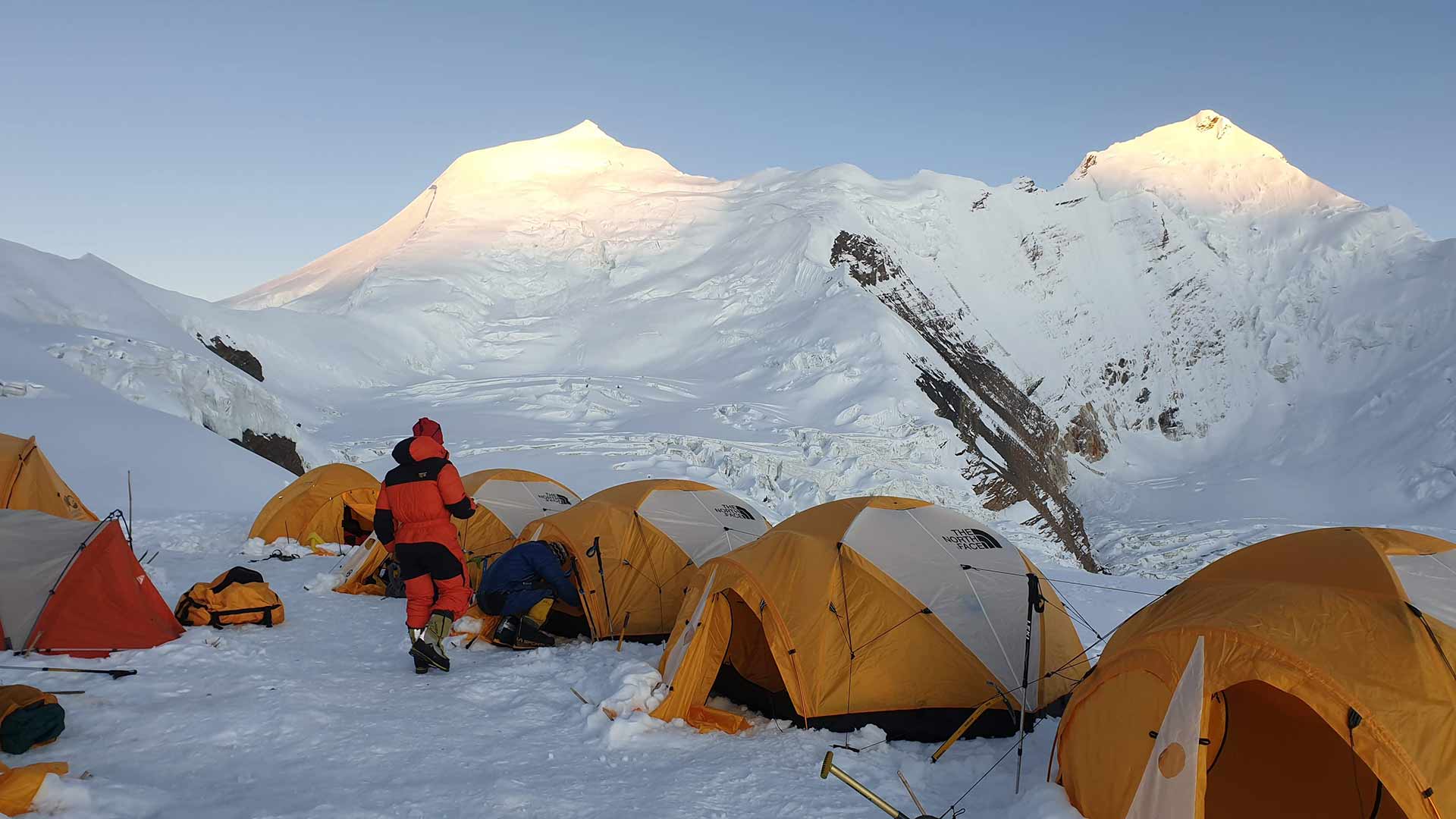
Join the Himlung Himal Expedition, a challenging high-altitude climb in the Manang region of Nepal. At 7,126 meters, Himlung Himal offers a rewarding adventure for climbers with prior high-altitude and technical mountaineering experience.

The expedition begins with a trek through the pristine Manang Valley, passing remote villages, alpine landscapes, and glacial terrain, providing excellent acclimatization before the summit attempt. Climbers ascend via snow slopes, glacier crossings, and steep ridges under the guidance of experienced Sherpa leaders and a professional support team.

From the summit, participants are rewarded with panoramic views of the Annapurna and Manaslu ranges, along with the surrounding Himalayan peaks. This expedition combines technical climbing, cultural experiences, and breathtaking scenery, making Himlung Himal a memorable and professionally guided Himalayan adventure.

Itinerary

Himlung Expedition 7,126m

27 Days • Itinerary Overview

Day 01

Arrival in Kathmandu (1,400m)

Upon arrival at Tribhuvan International Airport, you will be received by our representative and transferred to your hotel in Kathmandu. After check-in, the remainder of the day is free to rest and recover from international travel. A short welcome briefing will be held in the evening to introduce the expedition plan.

Day 02

Sightseeing and Expedition Preparation in Kathmandu (1,400m)

This day is dedicated to cultural sightseeing and expedition preparations. You will visit UNESCO World Heritage Sites such as Pashupatinath Temple, Boudhanath Stupa, and Swayambhunath. Meanwhile, the expedition team will complete climbing permits, liaison formalities, and equipment inspections. A detailed expedition briefing will be conducted in the evening.

Day 03

Drive from Kathmandu to Besisahar (760m)

After breakfast, you begin a scenic drive from Kathmandu to Besisahar, the gateway to the Annapurna and Manang regions. The drive follows the Trishuli and Marsyangdi rivers, passing terraced farmland, small towns, and river valleys. Overnight at a lodge in Besisahar.

Day 04

Drive from Besisahar to Koto (2,600m)

Today’s drive continues along the Marsyangdi Valley, passing through Chame and several traditional Gurung and Tibetan-influenced villages. The landscape gradually becomes more alpine as you approach Koto, the entry point to the restricted Nar–Phu Valley. Overnight at Koto.

Day 05

Trek from Koto to Meta (3,560m)

The trek begins by entering the Nar–Phu Valley, following a narrow trail along steep canyon walls carved by the Phu River. The trail ascends gradually through remote terrain, crossing suspension bridges and rocky paths before reaching Meta, a small seasonal settlement surrounded by dramatic cliffs.

Day 06

Trek from Meta to Chyaku (3,820m)

Today’s hike leads deeper into the isolated Nar–Phu region. The trail traverses arid, high-altitude landscapes with wide valleys and ancient stone shelters. You pass grazing areas used by yak herders before reaching Chyaku, a quiet and rarely visited settlement.

Day 07

Trek from Chyaku to Kyang (3,840m)

The route continues through open terrain with expansive mountain views. The trail follows the river valley, gradually ascending toward Kyang, a seasonal grazing village with traditional stone houses. The remoteness of this region offers a true wilderness experience.

Day 08

Trek from Kyang to Phu Gaon (4,080m)

Today’s trek takes you to the ancient village of Phu Gaon, one of the most culturally preserved Tibetan settlements in Nepal. The village is dramatically set beneath Himlung Himal and surrounded by barren cliffs and high peaks. Upon arrival, you will explore the village and prepare for the climbing phase ahead.

Day 09

Acclimatization Day in Phu Gaon (4,080m)

This rest day allows for proper acclimatization. You may take short hikes to nearby viewpoints or visit the historic Tashi Lhakhang Monastery. The day is spent resting, hydrating, and preparing equipment for the approach to Base Camp.

Day 10

Trek from Phu Gaon to Himlung Base Camp (4,850m)

Leaving Phu Gaon, the trail ascends gradually through alpine terrain toward Himlung Base Camp. The route follows glacial valleys and yak pastures before reaching the base camp site, located beneath the massive south face of Himlung Himal. Tents are set up, and the expedition officially enters the climbing phase.

Day 11

Acclimatization and Training at Base Camp (4,850m)

Himlung Himal Climbing Phase
This day is used for rest, acclimatization, and technical training. Climbers practice the use of crampons, ice axes, fixed ropes, and high-altitude safety techniques. Sherpa teams begin preparing higher camps.

Day 12

Trek from Base Camp to Camp I (5,450m)

The first rotation begins with a steady ascent to Camp I. The route involves glacier travel and moderate snow slopes. After reaching Camp I, the team rests briefly before returning to Base Camp or staying overnight, depending on conditions and group strategy.

Day 13

Climb from Camp I to Camp II (6,000m) and Return to Base Camp

Today’s rotation involves climbing higher to Camp II. This ascent is steeper and requires careful movement on snow and ice. After reaching Camp II and spending time acclimatizing, the team descends back to Base Camp for recovery.

Day 14

Rest and Acclimatization at Base Camp (4,850m)

A rest day at Base Camp to allow the body to adapt to altitude. Climbers hydrate, eat well, and prepare for the next rotation. Weather and route conditions are closely monitored.

Day 15

Climb from Base Camp to Camp I (5,450m)

The second rotation begins with an ascent to Camp I, following the now-familiar route. This time, the body responds better due to prior acclimatization.

Day 16

Climb from Camp I to Camp II (6,000m)

The team ascends again to Camp II and spends the night there. This overnight stay helps prepare climbers for the final push to higher camps.

Day 17

Climb from Camp II to Camp III (6,400m)

The route to Camp III is more demanding, involving steeper snow slopes and colder conditions. Camp III is established high on the mountain in preparation for the summit attempt.

Day 18

Rest Day at Camp III (6,400m)

A crucial rest day at Camp III to allow final acclimatization and recovery before the summit push. Equipment is checked, and weather forecasts are assessed carefully.

Day 19

Summit Himlung Himal (7,126m) and Descend to Camp III

An early alpine start begins the summit attempt. The route follows long snow slopes to the broad summit ridge. From the summit of Himlung Himal, climbers enjoy spectacular views of Annapurna II, Gangapurna, Manaslu, and the Tibetan Plateau. After reaching the summit, the team descends carefully back to Camp III.

Day 20

Descend from Camp III to Base Camp (4,850m)

After the successful summit push, climbers descend from Camp III through Camp II and Camp I, returning to Base Camp. This long descent marks the end of the climbing phase.

Day 21

Trek from Base Camp to Phu Gaon (4,080m)

Return Trek
The trek back begins with a relaxed descent to Phu Gaon. Returning to the village allows time to rest and reconnect with local culture.

Day 22

Trek from Phu Gaon to Meta (3,560m)

Retracing the route through the Nar–Phu Valley, the trail descends through wide valleys and rocky landscapes back to Meta.

Day 23

Trek from Meta to Koto (2,600m)

Continue descending along the canyon trail to Koto, enjoying the gradual return to greener landscapes and warmer air.

Day 24

Drive from Koto to Besisahar

After breakfast, drive back along the Marsyangdi Valley to Besisahar, passing through familiar villages and scenic river valleys.

Day 25

Drive from Besisahar to Kathmandu (1,400m)

The journey continues by road back to Kathmandu. Upon arrival, transfer to your hotel and enjoy a well-earned rest.

Day 26

Leisure Day in Kathmandu (1,400m)

This free day allows for relaxation, sightseeing, souvenir shopping, or optional spa treatments. A farewell dinner may be organized in the evening to celebrate the expedition.

Day 27

Final Departure

You will be transferred to Tribhuvan International Airport for your international departure, concluding your Mt. Himlung Himal Expedition

Himlung Expedition 7,126m

27 Days – Detailed Itinerary

Upon arrival at Tribhuvan International Airport, you will be received by our representative and transferred to your hotel in Kathmandu. After check-in, the remainder of the day is free to rest and recover from international travel. A short welcome briefing will be held in the evening to introduce the expedition plan.

02

This day is dedicated to cultural sightseeing and expedition preparations. You will visit UNESCO World Heritage Sites such as Pashupatinath Temple, Boudhanath Stupa, and Swayambhunath. Meanwhile, the expedition team will complete climbing permits, liaison formalities, and equipment inspections. A detailed expedition briefing will be conducted in the evening.

03

After breakfast, you begin a scenic drive from Kathmandu to Besisahar, the gateway to the Annapurna and Manang regions. The drive follows the Trishuli and Marsyangdi rivers, passing terraced farmland, small towns, and river valleys. Overnight at a lodge in Besisahar.

04

Today’s drive continues along the Marsyangdi Valley, passing through Chame and several traditional Gurung and Tibetan-influenced villages. The landscape gradually becomes more alpine as you approach Koto, the entry point to the restricted Nar–Phu Valley. Overnight at Koto.

05

The trek begins by entering the Nar–Phu Valley, following a narrow trail along steep canyon walls carved by the Phu River. The trail ascends gradually through remote terrain, crossing suspension bridges and rocky paths before reaching Meta, a small seasonal settlement surrounded by dramatic cliffs.

06

Today’s hike leads deeper into the isolated Nar–Phu region. The trail traverses arid, high-altitude landscapes with wide valleys and ancient stone shelters. You pass grazing areas used by yak herders before reaching Chyaku, a quiet and rarely visited settlement.

07

The route continues through open terrain with expansive mountain views. The trail follows the river valley, gradually ascending toward Kyang, a seasonal grazing village with traditional stone houses. The remoteness of this region offers a true wilderness experience.

08

Today’s trek takes you to the ancient village of Phu Gaon, one of the most culturally preserved Tibetan settlements in Nepal. The village is dramatically set beneath Himlung Himal and surrounded by barren cliffs and high peaks. Upon arrival, you will explore the village and prepare for the climbing phase ahead.

09

This rest day allows for proper acclimatization. You may take short hikes to nearby viewpoints or visit the historic Tashi Lhakhang Monastery. The day is spent resting, hydrating, and preparing equipment for the approach to Base Camp.

10

Leaving Phu Gaon, the trail ascends gradually through alpine terrain toward Himlung Base Camp. The route follows glacial valleys and yak pastures before reaching the base camp site, located beneath the massive south face of Himlung Himal. Tents are set up, and the expedition officially enters the climbing phase.

11

Himlung Himal Climbing Phase
This day is used for rest, acclimatization, and technical training. Climbers practice the use of crampons, ice axes, fixed ropes, and high-altitude safety techniques. Sherpa teams begin preparing higher camps.

12

The first rotation begins with a steady ascent to Camp I. The route involves glacier travel and moderate snow slopes. After reaching Camp I, the team rests briefly before returning to Base Camp or staying overnight, depending on conditions and group strategy.

13

Today’s rotation involves climbing higher to Camp II. This ascent is steeper and requires careful movement on snow and ice. After reaching Camp II and spending time acclimatizing, the team descends back to Base Camp for recovery.

14

A rest day at Base Camp to allow the body to adapt to altitude. Climbers hydrate, eat well, and prepare for the next rotation. Weather and route conditions are closely monitored.

15

The second rotation begins with an ascent to Camp I, following the now-familiar route. This time, the body responds better due to prior acclimatization.

16

The team ascends again to Camp II and spends the night there. This overnight stay helps prepare climbers for the final push to higher camps.

17

The route to Camp III is more demanding, involving steeper snow slopes and colder conditions. Camp III is established high on the mountain in preparation for the summit attempt.

18

A crucial rest day at Camp III to allow final acclimatization and recovery before the summit push. Equipment is checked, and weather forecasts are assessed carefully.

19

An early alpine start begins the summit attempt. The route follows long snow slopes to the broad summit ridge. From the summit of Himlung Himal, climbers enjoy spectacular views of Annapurna II, Gangapurna, Manaslu, and the Tibetan Plateau. After reaching the summit, the team descends carefully back to Camp III.

20

After the successful summit push, climbers descend from Camp III through Camp II and Camp I, returning to Base Camp. This long descent marks the end of the climbing phase.

21

Return Trek
The trek back begins with a relaxed descent to Phu Gaon. Returning to the village allows time to rest and reconnect with local culture.

22

Retracing the route through the Nar–Phu Valley, the trail descends through wide valleys and rocky landscapes back to Meta.

23

Continue descending along the canyon trail to Koto, enjoying the gradual return to greener landscapes and warmer air.

24

After breakfast, drive back along the Marsyangdi Valley to Besisahar, passing through familiar villages and scenic river valleys.

25

The journey continues by road back to Kathmandu. Upon arrival, transfer to your hotel and enjoy a well-earned rest.

26

This free day allows for relaxation, sightseeing, souvenir shopping, or optional spa treatments. A farewell dinner may be organized in the evening to celebrate the expedition.

You will be transferred to Tribhuvan International Airport for your international departure, concluding your Mt. Himlung Himal Expedition

Trip Inclusions

Trip Inclusions

Everything you need for a comfortable and memorable trek

1. Transportation

  • Private airport pick‑up/delivery in Kathmandu (International & Domestic).
  • All domestic/private transfers between:
    • Kathmandu → Besisahar → Koto (road/jeep as per itinerary), the main approach gateway.
    • Koto → Phu Gaon → Base Camp via porters/pack animals/yaks.
  • Transfers back to Kathmandu after expedition completion.
  • All logistic cargo handling for expedition gear from Kathmandu to Base Camp and return.

2. Accommodation

Kathmandu & Trail Lodges:

  • Standard hotel accommodation in Kathmandu on twin‑sharing basis with daily breakfast (typically 2–4 nights depending on itinerary).

Trek & Base Camp:

  • Tea‑house / lodge accommodation with full board on approach trek where available.
  • Full‑board expedition camping services at Himlung Himal Base Camp and high camps (Meals & tents), including:

Camp Facilities:

  • Expedition tents (single or double occupancy).
  • Dining, kitchen, communication, toilet and shower tents.
  • Thick foam mattress, sleeping bags, pillows.
  • Gas heaters (where available), and solar charging facilities for electronics.

3. Meals & Kitchen Support

  • Full‑board meals during trek and expedition (breakfast, lunch, dinner).
  • Healthy, high‑energy menus designed for high‑altitude climbing.
  • All kitchen equipment, fuel, dining tables and chairs.
  • Experienced cook and kitchen staff during expedition.

4. Permits & Official Fees

All necessary Nepal Government permits and fees:

  • Himlung Himal Expedition Permit (Royalty): Required climbing authorization from the Nepal Mountaineering Association; ~$500 (Spring), ~$250 (Autumn) per person (subject to 2025 rates).
  • Restricted Area Permit (Nar‑Phu Valley): Required for trekking/climbing through Nar‑Phu restricted region.
  • Annapurna Conservation Area Permit (ACAP): Required as the approach lies inside the conservation zone.
  • Government liaison officer fees and required garbage deposit (refundable on compliance).
  • All Nepal Government taxes and administrative charges.

5. Expedition Staff Support

  • One experienced climbing Sherpa per member, plus high‑altitude support guides.
  • Licensed Nepalese guide and trekking staff with local mountain expertise.
  • Trained porters to support transport of equipment and camp setup.
  • Acclimatization rotations and summit support plans as per established expedition schedule.

6. Climbing & Safety Gear

Per Member Equipment:

  • Individual 4‑liter oxygen cylinders × up to 6 bottles (for high camp support where used; optional depending on team strategy).
  • Oxygen masks and regulators with replacements for faults.

Sherpa Support Gear:

  • 4‑liter oxygen cylinders × 4 bottles (per Sherpa).

Group Technical Gear:

  • Fixed ropes, guide ropes, ice screws, carabiners, snow pickets, rock pitons, shovels.
  • Communications gear (walkie‑talkies) with spare batteries.
  • Group safety equipment for camps and summit pushes.

7. Medical Support & Safety

  • Comprehensive first‑aid kits and emergency medical supplies carried throughout expedition.
  • Emergency oxygen available at camp(s) if needed.
  • High‑altitude safety planning and emergency evacuation coordination (helicopter options subject to conditions and insurance).
  • Pre‑departure medical briefing and high‑altitude risk counseling.

8. Environmental Management

  • Human waste and garbage management according to Nepal Government rules.
  • Required garbage deposit (refundable) managed by expedition.
  • All unseen and operational costs for eco‑responsible expedition waste handling.

9. Trekking & Expedition Services

  • TIMS (Trekkers’ Information Management System) card arranged where applicable.
  • Detailed pre‑departure briefing and expedition planning logistics.
  • Luggage transportation during trek via porters/yaks for up to a specified weight per member.
  • Satellite phone or permit communication support (charges may apply for extended use).

Exclusions

Personal Expenses

  • International airfare to Nepal
  • Personal equipment (boots, climbing harness, gloves, jackets, crampons)
  • Personal trekking/medical insurance
  • Tips for guides, porters, or staff

Extra Services

  • Extra hotel nights outside itinerary
  • Optional sightseeing or recreational activities
  • Satellite phone, internet, or personal communications

Unforeseen Costs

  • Rescue or evacuation due to personal negligence or health issues
  • Weather-related delays (flights or lodging beyond plan)

Other

  • Alcoholic beverages, soft drinks, and snacks purchased personally
  • Any items not mentioned in the inclusions

Trip Notes

Key Facts – Mt. Himlung Himal

  • ✔ Location: Nar–Phu Valley, Manang Region
  • ✔ Route: Normal Route (Snow and Glacier Climb)
  • ✔ Ideal progression peak between 6,000m peaks and 8,000m expeditions
Adventure

Himlung Expedition 7,126m

27 Days • No departure dates

No booking fees • Free cancellation up to 50 days